

When a child receives an autism diagnosis, families often enter a world filled with new words, new appointments, and new decisions. It can feel overwhelming—especially when you’re trying to make the best possible choices for your child’s future. One of the most widely recommended support options is Applied Behavior Analysis, often simply called ABA therapy. But understanding what ABA therapy really is, how it works, and how it fits into your child’s daily life can make a big difference in how confident and supported you feel moving forward.
Our goal here is to offer clarity—genuine clarity. Not jargon, not a sales pitch, not pressure. Just real guidance from a place of understanding and respect for your child and your family.
What Is ABA Therapy?
ABA therapy is a therapeutic approach rooted in understanding why behaviors happen. Instead of focusing just on what a child is doing, ABA therapy looks closely at what comes before a behavior and what happens afterward. This helps therapists understand patterns and gently guide learning in a way that builds confidence—not pressure.
At its core, ABA therapy is about growth in meaningful life skills. That might look like:
-
Learning how to communicate wants and needs
-
Managing big feelings in ways that feel safer and less overwhelming
-
Developing social skills and connections
-
Building independence in everyday routines
ABA therapy is not “one size fits all.” What works beautifully for one child may need adjustment for another. That’s why every ABA therapy program is individualized—built around your child’s strengths, challenges, interests, and personality.
Core Principles of ABA Therapy (Insert after “What Is ABA Therapy?” section)
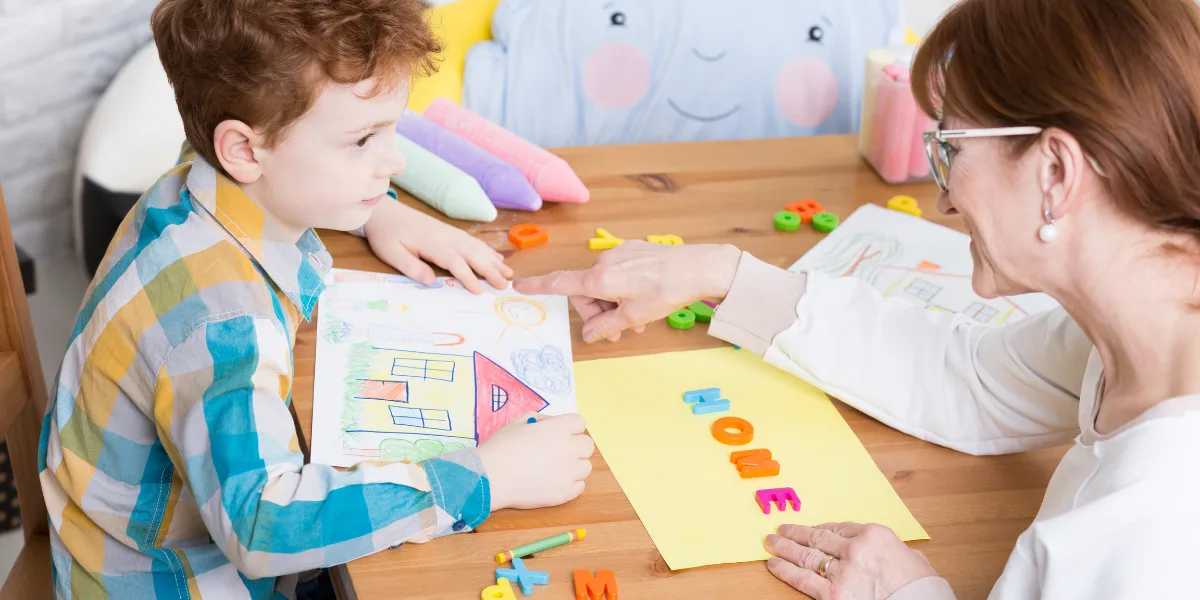
ABA therapy is guided by a few key principles that help ensure learning feels natural, supportive, and meaningful. These principles are not about forcing change — they’re about understanding how children learn and making sure they feel safe and encouraged along the way.
1. Every Behavior Has a Purpose
Children communicate through actions, especially when words are difficult to use. When a child avoids a task, becomes upset, or repeats a certain behavior, they are trying to express something. ABA seeks to understand the why behind behaviors, rather than simply stopping them. When we understand the “why,” we can support the child more gently and effectively.
2. All Learning Happens in Small, Achievable Steps
Big milestones can feel overwhelming. So instead of focusing on large changes all at once, ABA breaks learning down into smaller steps that are easier to manage. Each success builds confidence. Progress is steady, and we celebrate every meaningful step — even the small ones.
3. We Teach in Ways That Feel Encouraging and Motivating
Children learn best when they feel safe, understood, and engaged. ABA often uses a child’s interests — favorite toys, activities, or topics — to encourage learning. This keeps therapy joyful rather than stressful. We never use punishment. We build growth through relationships, encouragement, and positive reinforcement.
4. Skills Should Work in Real Life — Not Just in Therapy
A skill learned in therapy needs to make sense outside of therapy too. Whether your child is learning to ask for help, play with others, or navigate daily routines, ABA focuses on making sure those skills transfer to school, home, and the community. The goal is confidence and independence in the real world.
5. Every Child’s Plan Is Unique
No two children learn in the same way. ABA therapy does not follow one script. Your child’s therapy plan is created specifically for their strengths, interests, needs, challenges, and family routines. If your child’s needs change, the plan changes with them. ABA adapts — always.
Goals of ABA Therapy

The overall purpose of ABA therapy is not to change who a child is — it is to support who they already are and help them navigate the world with greater ease, confidence, and connection. Every child has strengths, interests, and a unique way of learning. ABA simply helps build on those strengths.
Here are the key goals of ABA therapy, explained in a way that makes sense for families:
1. Strengthening Communication
Communication looks different for every child. Some children speak with words, others use gestures, visuals, or devices. ABA supports each child in learning how to express their needs, feelings, and ideas in a way that feels natural to them. When communication becomes easier, frustration and overwhelm decrease — and confidence grows.
2. Encouraging Independence in Daily Skills
Independence develops one step at a time. ABA focuses on teaching everyday skills like dressing, brushing teeth, following routines, or trying new foods. These skills are taught gently, at the child’s pace, until the child begins to feel proud of what they can do on their own.
3. Strengthening Social and Play Skills
Play is how children connect and learn. ABA helps children learn how to play with others, share space, take turns, or simply enjoy being alongside peers. These skills help children form friendships, understand social cues, and feel included in group settings like school or community activities.
4. Supporting Emotional Regulation and Coping Skills
Big emotions are part of being human. ABA teaches children ways to calm, communicate, and problem-solve when things feel overwhelming. This may include breathing strategies, requesting a break, expressing discomfort, or using alternative coping tools. The goal is not to remove emotion — it is to support children in expressing and navigating emotions safely.
5. Reducing Behaviors That Cause Stress or Interfere With Learning
Behaviors that feel challenging often have an underlying reason — perhaps frustration, sensory overload, difficulty communicating, or anxiety. ABA works to understand the root cause, then teaches supportive alternative behaviors that meet the same need in a healthier way. This is always done with compassion, never punishment.
6. Helping Skills Transfer to Home, School, and Community Life
A skill learned in therapy should work everywhere — at home, in class, at the park, and during family routines. ABA plans are designed to support success in real-life settings, making daily life smoother for both children and families.
How ABA Works Day-to-Day
ABA therapy typically involves a team that may include:
-
Board Certified Behavior Analysts (BCBAs): They evaluate your child’s needs and create the therapy plan.
-
Registered Behavior Technicians (RBTs): They work directly with your child each day to support learning and growth.
Therapy sessions may look very different from child to child. For some, sessions may be play-based and energetic. For others, the focus may be on routines, school readiness, communication, or daily living skills like brushing teeth, getting dressed, or following simple instructions.
Learning happens in small, steady steps. ABA therapy celebrates progress, no matter how gradual. Every step counts.
Why ABA Therapy Is Often Recommended for Children with Autism
ABA therapy is currently considered one of the most effective and well-researched therapies for children with autism. But the reason many families choose it is simpler than that: it helps in real ways that matter in daily life.
Families often notice improvements in:
-
How their child communicates
-
How they cope when routines change
-
How they interact with others—siblings, friends, family
-
Their ability to participate in school or community settings
-
Their confidence and independence
ABA doesn’t try to change who your child is. Your child is already whole, already themselves, already enough. The goal is to support your child in being understood, empowered, and able to express themselves comfortably in the world.
Does ABA Replace Other Supports?
Not at all. Many children also participate in:
-
Speech therapy
-
Occupational therapy
-
Feeding support
-
School-based learning programs
-
Social groups
ABA therapy can work alongside these supports and often helps make them more effective by giving children tools to manage communication, transitions, and emotional responses.
Think of ABA as part of a larger framework that wraps around your child—not something meant to replace other forms of care.
Center-Based ABA vs. In-Home ABA
Both settings can be helpful—what matters is choosing what fits your child and family.
Center-Based ABA often benefits children who thrive with structure and enjoy practicing social skills with peers. The environment is designed for learning moments throughout the day.
In-Home ABA is helpful when daily routines, emotional regulation, or transitions at home are main areas of growth. Therapy happens where your child feels most comfortable.
Many children benefit from a combination of the two. The best therapeutic approach is always the one that supports your child’s real needs—not someone else’s expectation of what progress “should” look like.
What Progress Looks Like in ABA Therapy
Some progress is easy to see: new words, new steps of independence, fewer meltdowns.
Other progress is quieter: a longer moment of eye contact, the ability to pause before reacting, a softer transition from one activity to another.
Small changes can mean something big is shifting.
Your child’s therapist should always communicate progress with you in ways that make sense—not reports full of professional terms, but real, everyday observations. Families are part of the team. You should never feel left out of the process.
How BrightSteps Helps
BrightSteps provides ABA therapy that is gentle, child-centered, and relationship-based. We emphasize connection first—because children learn best when they feel safe, respected, and understood.
Our therapists work closely with families so progress doesn’t just happen during sessions—it carries into daily life. We collaborate, we listen, and we adjust care based on what your child needs at every stage of growth.
If you ever feel uncertain, overwhelmed, or just need someone to talk through the process with you, we’re here for that, too. Support doesn’t end when the session ends.
Frequently Asked Questions
Is ABA therapy only for young children?
No. ABA can support individuals of many ages, from infants to teenagers.
How long does ABA therapy usually take?
Treatment length varies. Some children participate for months, while others benefit from longer-term support. Progress is not rushed.
Does ABA therapy change a child’s personality?
No. ABA supports skills and communication—it does not aim to change who a child is.
Can parents take part in therapy?
Yes. In fact, family involvement increases long-term success. Parents are always considered part of the therapeutic team.
You’re Not Alone — Let’s Support Your Child Together
If you’re exploring ABA therapy, you’re doing something brave and deeply loving — seeking understanding and support for your child’s future.
BrightSteps is here to walk with you.
No pressure. No judgment.
Just genuine care and guidance.
Learn More About BrightSteps ABA Services