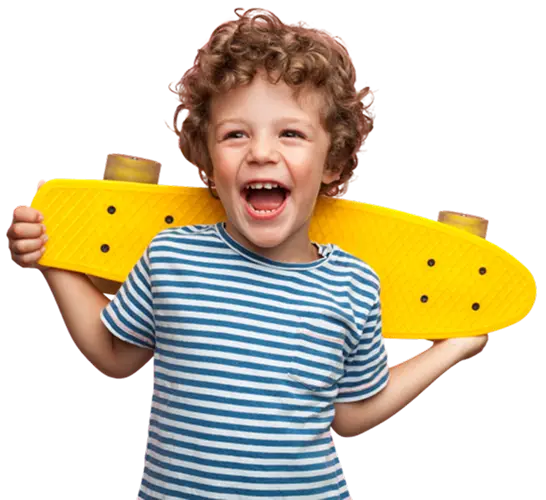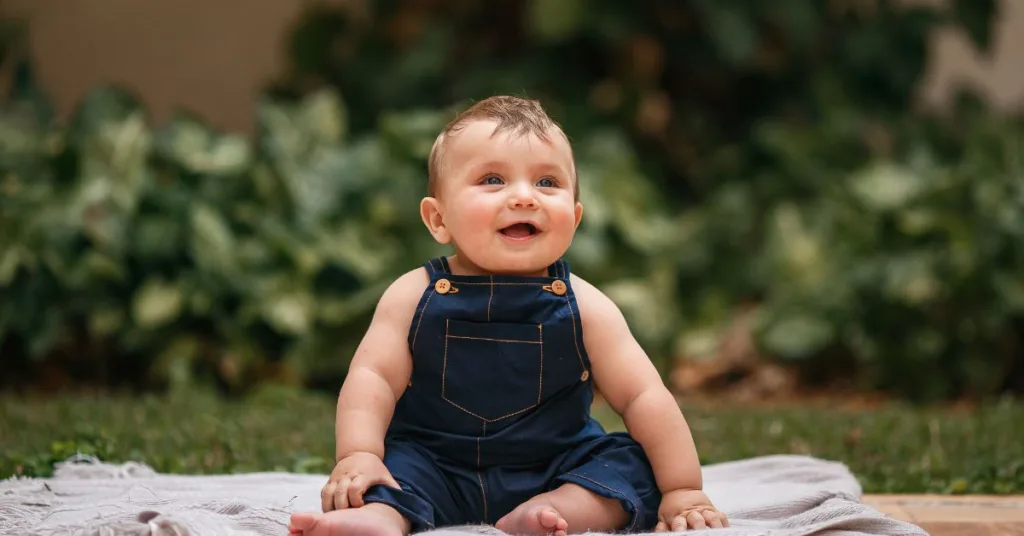
Every parent excitedly awaits the day their baby will look up and smile broadly and brightly. So what do you do if you see your little one is smiling less than normal, doesn’t return a smile, or doesn’t return your silly expression? It’s completely normal to have these types of anxieties and this type of questioning and wondering, so to speak, like, “Is something wrong with the baby?
To answer your most pressing concern right away: Yes, babies with autism can and do smile. Infants with Autism can still smile, laugh, and express a warm response to the people in their lives. But social smiling, eye contact and infant’s reactions to familiar faces are important developmental patterns to examine when considering early social development, and they vary across individuals.
Do Babies With Autism Smile at Their Parents?
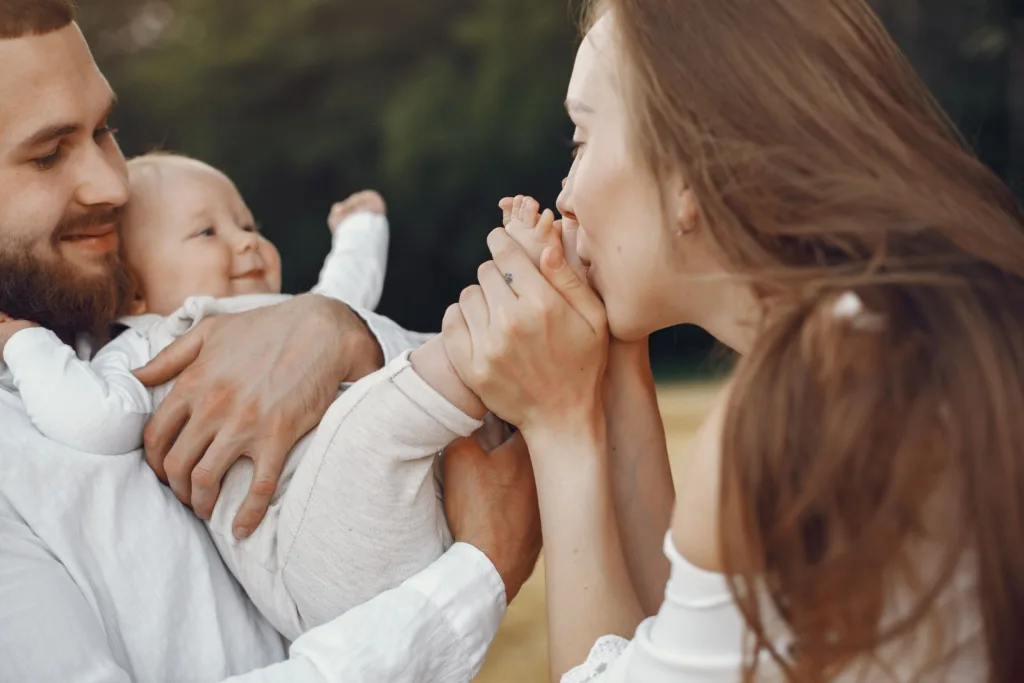
Some parents fear that if their baby doesn’t connect socially, they will not be able to show love. The reality is that autistic babies often smile at their parents, main caregivers and family members, but they connect socially less usual than common infants. They feel safe and happy around people they know.
The main difference often lies between social smiling and non-social or play-based smiling. A non-autistic infant mostly uses smiles as a direct response to a parent’s face or voice. A smiling autistic baby may smile when listening to a ceiling fan spinning in the background, or when a favorite soft texture is applied, but may not always smile back when someone smiles at them. As autism is a spectrum, each baby’s social style will be unique.
When Do Babies Usually Start Social Smiling?
During the first few weeks of life, newborns experience reflex smiles that happen automatically, often during sleep. Most babies achieve a significant milestone around the age of 6-8 weeks (about 2 months) when they begin to show their “true” social smile. This is a purposeful, happy reaction to the parent’s face or to hearing their voice.
By 4 to 6 months, babies can develop social smiling skills along with other communication skills, such as making eye contact, exchanging sounds with parents, and responding to familiar voices.
Developmental periods, however, are general guidelines rather than fixed timelines, says pediatric health groups. A baby’s temperament, overall health and physical condition, and birth time have a significant impact on when these milestones occur.
How Does Social Smiling Differ in Babies With Autism?
Experts don’t just look at whether an infant on the spectrum smiles, but at how and how often. Infants with autism may not smile as often in the face-to-face setting and may not be as motivated to smile back at a parent.
You may also notice other differences in your baby’s communication, like:
- Less Shared Expressions: Your baby may not look up to you even if they are playing happily.
- Fleeting Eye Contact: The smile could occur without eye contact with an individual or while the person is looking at an object.
- Mixed Triggers: Sensory experiences (lights, rhythmic sounds, textures, etc.) may trigger joy more than social interaction.
Remember, a baby’s smiling patterns alone cannot confirm that the baby is not autistic. Numerous children with autism will smile many times and numerous children without autism will smile little if at all.
Early Signs of Autism in Babies to Look For
When considering early signs of autism, pediatric experts view behaviors as pieces of a larger puzzle rather than a strict checklist. As your baby grows, here are some important social behaviors to watch for and discuss with your doctor:
Limited Social Smiling or Fewer Smiles Directed at Others
Some infants show fewer spontaneous smiles in response to faces, voices, or interactive games like peek-a-boo.
Differences in Eye Contact
An infant may look directly at parents less frequently, hold gaze only briefly, or prefer watching objects, hands, or background patterns.
Limited Response to Their Name
Most babies begin turning to familiar voices around the age of 9 to 12 months. Inconsistent or absent responses can be an early sign worth mentioning to a pediatrician.
Less Shared Attention
Another important social communication skill is called joint attention. This is when a baby looks at something you point to, to share their interest with you, as if saying, “Look at that!” Autistic babies may show this behavior less often.
Differences in Gestures and Social Communication
By 12 months, some babies may use fewer gestures than usual such as waving goodbye, reaching to be picked up, pointing, or shaking their heads.
Repetitive Behaviors or Unusual Sensory Responses
Some babies may be more sensitive to loud sounds, bright lights, or specific types of clothing. They may also show repetitive movements, such as hand flapping or body rocking.
Does Smiling Rule Out Autism in Babies?
No, smiling does not rule out Autism in babies. Because autism is a neurodevelopmental spectrum, it affects each child differently. A child can be extremely affectionate, love hugs, laugh at funny noises, and smile at family members while still having underlying differences in joint attention, language processing, or repetitive behaviors.
Autistic children form deep, loving bonds with their families. Recognizing autism early is not about changing who your child is—it is about giving them the right communication tools and support to help them thrive.
What Is the Difference Between a Late Social Smile and Autism?
It is common for babies to reach social milestones at different times. A late social smile on its own is often just a temporary delay or a reflection of a quiet, observant personality.
Here is how doctors evaluate the difference:
- Isolated Delay: An infant might start smiling a few weeks late (e.g., at 3 or 4 months) but shows strong eye contact, responds eagerly to sounds, babbles back and forth, and reaches for caregivers.
- Broader Social Communication Pattern: A delay in smiling occurs alongside other differences, such as missing gestures, lack of name response, and limited shared interest.
Other temporary factors can also delay smiling, including uncorrected vision or hearing difficulties, motor delays, or acute illness. Parents do not need to figure this out on their own—pediatricians are trained to evaluate these differences gently and accurately.
When Should Parents Talk to a Pediatrician?
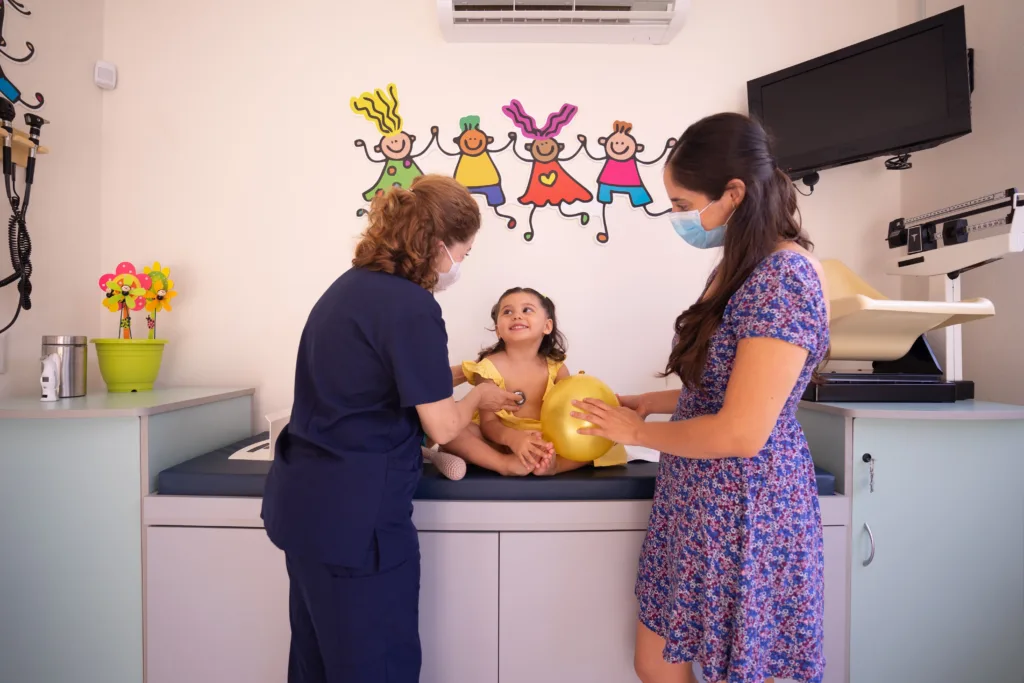
When in doubt, listen to your instincts and consult your pediatrician about your baby’s interactions. Don’t wait to ask questions until the end of a major milestone.
During routine well-child visits, doctors perform ongoing developmental surveillance. The American Academy of Pediatrics recommends developmental screening at 9, 18, and 30 months and autism-specific screening at 18 and 24 months.
Important Safety Note: If your infant’s social, speech or motor skills decline or disappear, such as if they suddenly stop smiling, babbling, or making eye contact, please contact your doctor immediately for an evaluation.
How Can Parents Encourage Social Interaction in Babies?
Helping your baby develop socially should be done in a gentle and playful way and not like a test. Here are some simple tips for engaging:
- Get Face-to-Face: When your baby is calm and alert, hold them about 8-12 inches away from your face during floor play and feeding sessions.
- Be Expressive: Use warm facial expressions, sing simple songs, and smile and/or make eye expressions more exaggerated.
- Follow their lead: If your baby’s attention is drawn to something (a brightly coloured ball, the soft rattle), speak quietly about the object.
- Provide Extra Processing Time: After you speak or smile, allow your baby to respond at his own speed without pressure or forced eye contact.
Keep in mind that these activities are intended to encourage love and connection – not a diagnostic test or autism prevention.
Conclusion
Early development is a family journey. While asking if babies with autism smile is a common first step for concerned parents, remember that infants on the spectrum can and do share joy, laughter, and loving bonds with those around them. Remember to look at your child’s overall growth pattern instead of one behavior and never hesitate to discuss your ideas with the Bright Steps ABA team when you need clarity, developmental guidance, or support.
Frequently Asked Questions
Do autistic babies smile at 2 months?
Of course, many babies who go on to be labeled autistic do smile at 2 months. It is during the period of 6-18 months that subtle social communication differences start to become more apparent.
Do babies with autism smile when they see their mothers?
Yes, babies with autism smile at their mother and main carer. They know loved ones and feel at ease with their family.
Can babies laugh and giggle when they are autistic?
Absolutely! An infant with autism can laugh and smile, and can show joy, particularly when engaged in physical play activities such as tickling, bouncing, or interactive toys.
Is lack of eye contact always a sign of autism?
No. It can be due to visual issues, fatigue, overstimulation, or natural differences in personality.
Can a baby show signs of autism before 12 months?
Early differences, like limited social smiling, decreased eye contact or not calling their name, begin to be seen between 6 and 12 months.
Can a baby smile normally and still be autistic?
Yes. Smiling is just one part of social development and normal smiling does not exclude autism.
Is not smiling back an indicator of autism?
Not necessarily. Some sensory fatigue, hearing issues or just a slight developmental delay can contribute to inconsistent social smiling.
References:
https://pmc.ncbi.nlm.nih.gov/articles/PMC4903899
https://www.thetransmitter.org/spectrum/infants-with-autism-smile-less-at-1-year-of-age/